Discover why is cybersecurity important and learn the cybersecurity importance for your business. Get practical tips to protect against cyber threats and data loss.

September 25, 2026
Running a small business means juggling a lot—especially when it comes to technology. If you want your business to stay productive and avoid downtime, you need reliable small business IT support. In this guide, you’ll learn what business owners should know about IT support, how remote support and support services work, and why cybersecurity, data backup, and disaster recovery are critical for protecting your business as it grows. We’ll also cover troubleshooting, help desk options, and how to keep your systems running smoothly against cyber threats and technical issues.
Small business IT support is more than just fixing computers when they break. It’s about making sure your technology helps your business run smoothly every day. With the right support, you can focus on your work instead of worrying about technical issues.
Many small business owners don’t realize how much time and money they lose when IT problems aren’t handled quickly. From lost files to slow computers, even small issues can add up. That’s why having a team or service you trust is so important for your business’s long-term success.
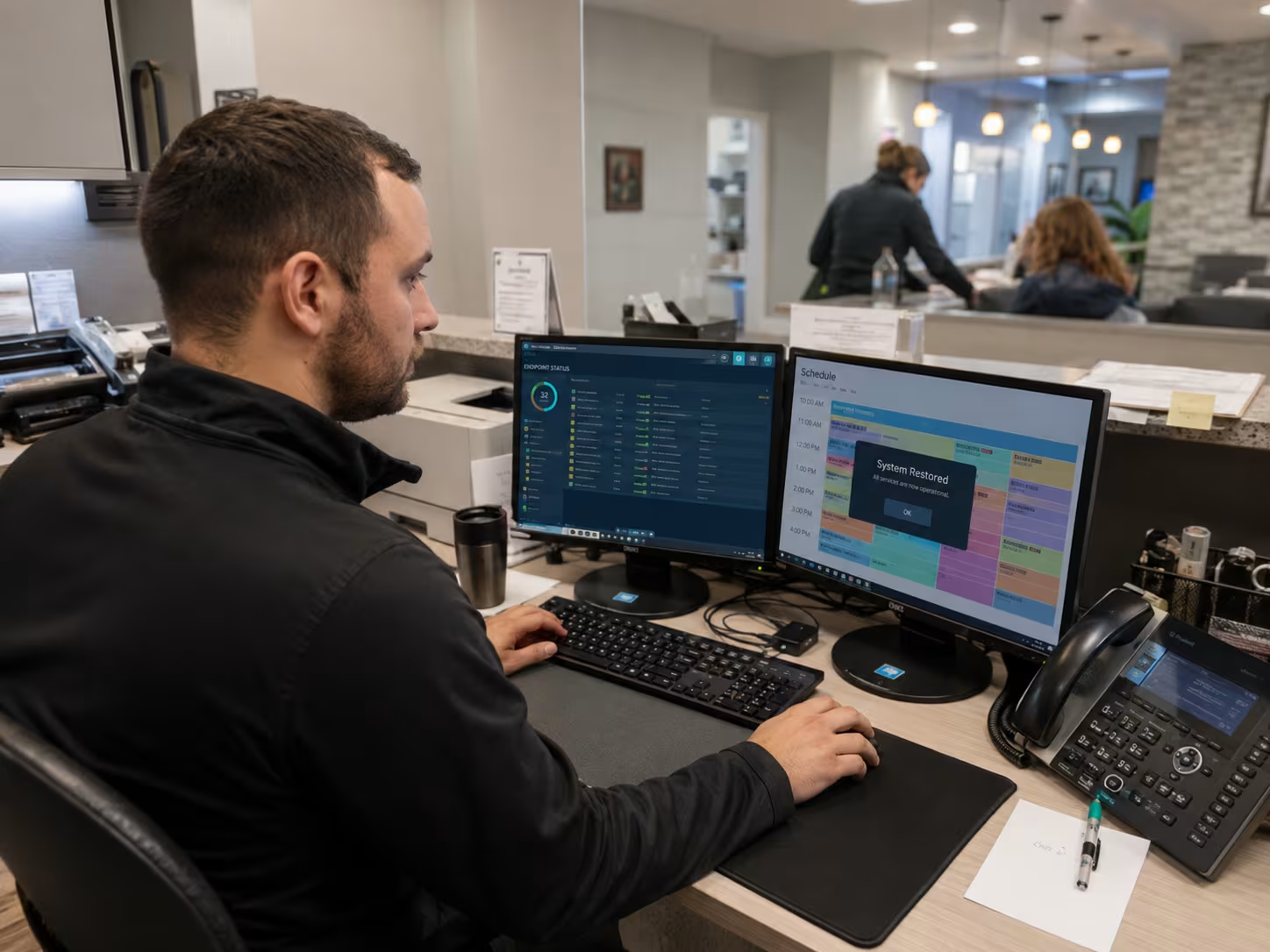
It’s easy to make mistakes when choosing or managing IT support. Here are some of the most common issues—and how to avoid them.
Waiting until something breaks before calling for help can lead to bigger problems. Proactive maintenance means checking systems regularly, updating software, and fixing small issues before they become major headaches. This approach helps prevent downtime and keeps your business running smoothly.
Cybersecurity isn’t just for big companies. Small businesses are often targeted by hackers because they may have weaker defenses. Not having strong passwords, up-to-date antivirus, or a plan for cyber threats can put your data at risk.
If your data is lost due to a power outage, flood, or cyberattack, can you recover quickly? Many small businesses don’t have a disaster recovery plan. This can mean lost revenue and even lost customers if you can’t get back up and running fast.
It’s tempting to have one employee handle IT, but this can be risky. If that person is unavailable or doesn’t have the right expertise, problems can go unsolved. Managed IT services for small businesses provide a team with a range of skills.
Data backup is essential. Without it, you risk losing important information forever. Make sure backups are automatic and tested regularly so you can restore files if needed.
Remote IT support allows experts to fix problems quickly without waiting for someone to arrive on-site. This saves time and often reduces costs for small businesses.
It’s tempting to save money, but the cheapest IT support may not provide the services you need. Look for a provider who understands your business and offers the right support options for your needs.
Having the right IT support brings many advantages:
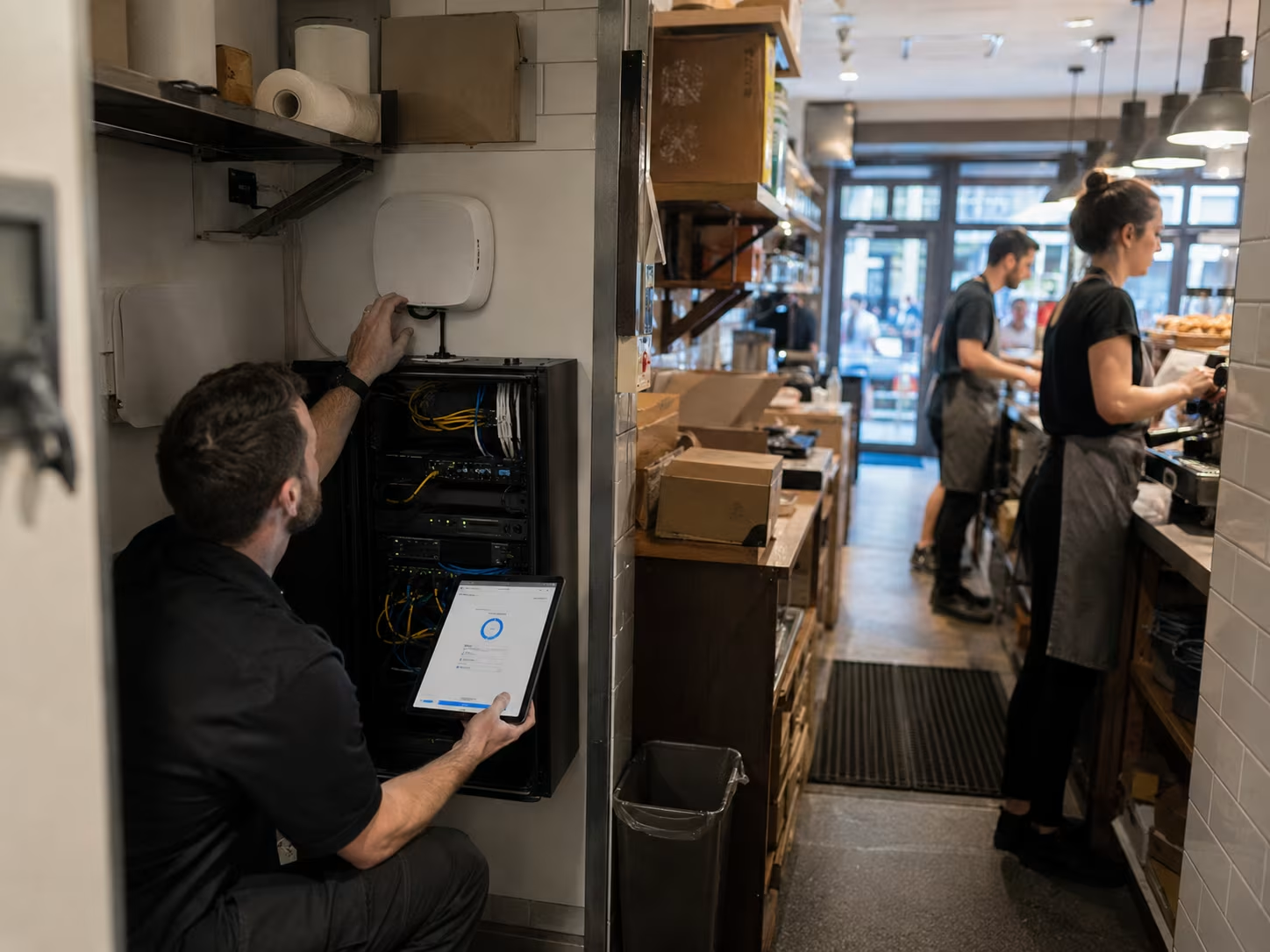
Not all IT support is the same. Some businesses need help desk support for daily questions, while others need full-service management. Think about your business needs—do you need someone to monitor your systems 24/7, or just help when something goes wrong?
Managed IT services for small businesses can cover everything from setting up new computers to monitoring your network for threats. These services often include regular checkups, software updates, and quick response to issues. This way, you can focus on your customers instead of worrying about IT problems.
As your business grows, your technology needs will change. The right IT support partner will help you scale up smoothly, adding new tools and services as needed. They’ll also help you stay compliant with any industry regulations that apply to your area.
Picking the best IT support can feel overwhelming. Here are some steps to help you make the right choice.
Start by listing the technology you use and the problems you face. Do you need help with cybersecurity, data backup, or troubleshooting? Knowing what you need makes it easier to find the right provider.
Look for providers who specialize in IT support for small businesses. Check reviews, ask for references, and see what services they offer. Make sure they understand the unique challenges of small business owners.
Managed IT services for small businesses offer ongoing support, not just one-time fixes. Compare what’s included in each package—like remote support, help desk access, and disaster recovery planning.
When something goes wrong, you want help fast. Ask potential providers how quickly they respond to calls or emails. Fast support can save you from costly downtime.
A provider familiar with your area may understand local regulations or common technical issues. This can be a big advantage when you need quick solutions.
Make sure you understand what you’re paying for. Look for clear pricing and flexible contracts that fit your budget and business needs.
Choose a provider who can grow with you. As your business expands, your IT support should be able to handle more users, devices, and services.
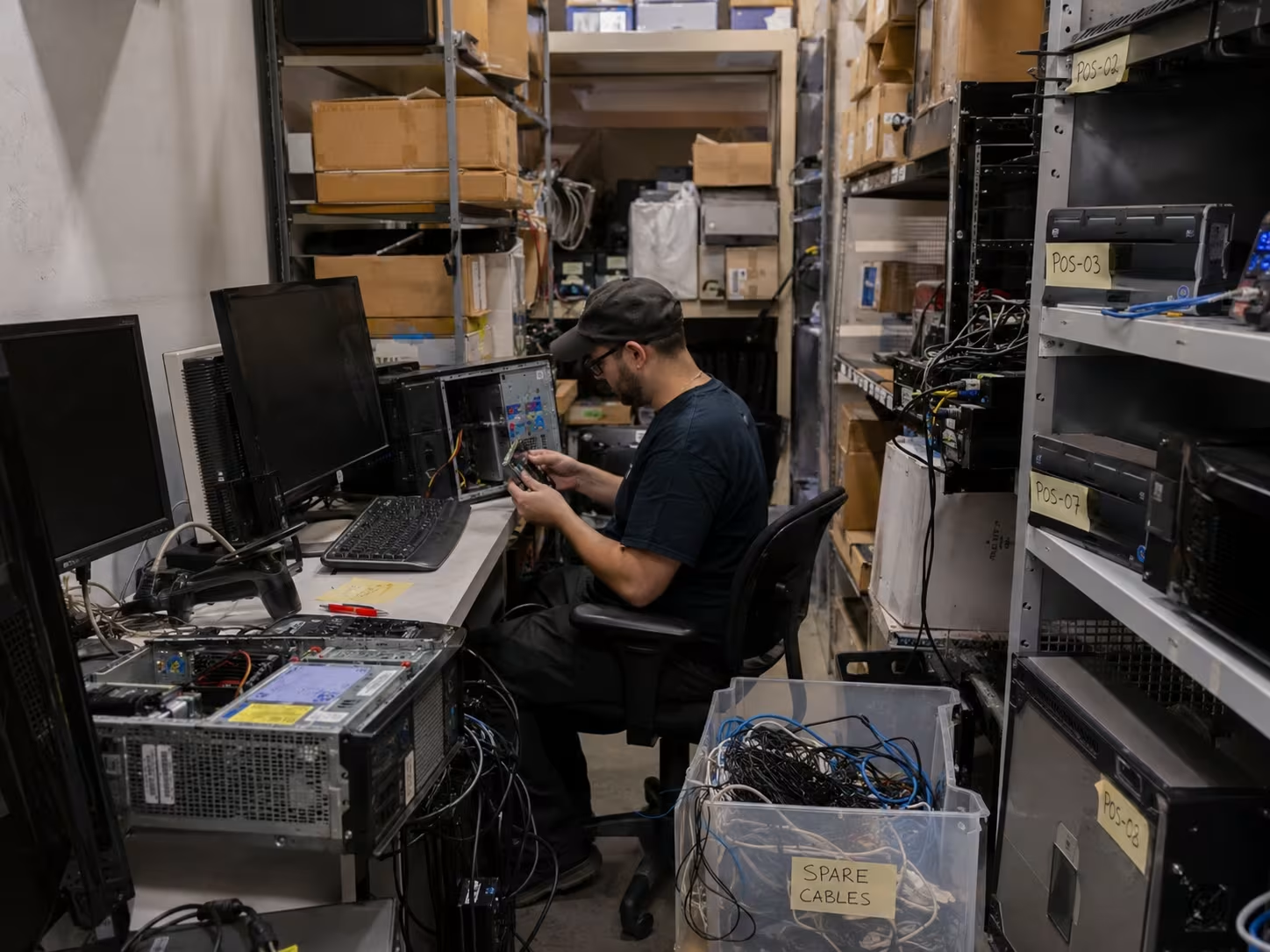
When you’re looking for IT support, make sure these features are included:

Are you a business with 10-150 employees looking for reliable IT support as you grow? We understand that every business has different needs, and we’re here to help you find the support you need to keep your operations running smoothly.
Our team at Axxis Group Technologies specializes in small business IT support, offering everything from managed IT services for small businesses to remote support and cybersecurity solutions. If you’re ready to protect your business and improve productivity, contact us today to discuss your options.
Small business IT support is designed to meet the unique needs of smaller companies, focusing on quick troubleshooting and minimizing downtime. Business IT service may cover larger organizations with more complex systems, but small businesses benefit from tailored solutions that fit their size and budget.
With small business IT support, you get help desk access, proactive maintenance, and remote support options that keep your technology running smoothly. This approach helps protect your business from technical issues and data loss.
Remote IT support allows experts to fix problems without coming on-site, saving time and reducing costs. Small business owners can get help quickly for issues like software errors or network problems.
This type of support services also includes monitoring for cyber threats and threat detection, so you can focus on growing your business instead of worrying about technical issues.
Cybersecurity is essential because small businesses are often targeted by hackers looking for easy access to data. Protecting your business with strong passwords, firewalls, and regular updates reduces the risk of cyber threats.
A good IT support team will also help with data backup and disaster recovery, making sure your information is safe if something goes wrong. This keeps your business running smoothly and protects your reputation.
Look for managed IT services that offer 24/7 monitoring, regular updates, and fast help desk support. These features help prevent downtime and keep your systems secure.
You should also choose a provider who understands your business needs and can scale their services as your business grows. This ensures you always have the support you need.
The best IT support includes proactive maintenance, fast response times, and reliable troubleshooting. These services help identify and fix problems before they cause major disruptions.
Regular checkups, data backup, and disaster recovery planning are also important for minimizing downtime. This keeps your employees productive and your customers happy.
Support options include remote support, on-site visits, and managed IT services. Each option offers different levels of help, depending on your needs.
Small business owners should choose the right mix of support services to cover daily troubleshooting, cybersecurity, and long-term planning. This ensures your technology supports your business goals.
.jpeg)