Discover how outsourced IT support can enhance your internal team's focus on strategic projects while managing routine tasks effectively.

October 23, 2026
Cybersecurity firms play a critical role in protecting businesses from growing digital threats. Whether you're a small business or scaling fast, the right firm can help you stay secure, meet cybersecurity compliance requirements and avoid costly breaches. In this blog, you'll learn what sets top cybersecurity companies apart, what to look for in a security partner, and how to make smarter decisions when choosing a provider. We'll also highlight key players like CrowdStrike and Fortinet, and explore how services like endpoint protection and threat intelligence fit into the bigger picture.
Cybersecurity firms help businesses protect their digital systems, data, and networks. They offer services like monitoring, threat detection, incident response, and compliance support. These firms often work behind the scenes to stop attacks before they cause damage.
Most cybersecurity firms provide a mix of tools and services, including firewalls, antivirus, endpoint detection, and cloud security. Some specialize in specific areas like ransomware defense or artificial intelligence-based threat detection. Others offer full-service security operations that cover everything from strategy to 24/7 monitoring.

Not all cybersecurity firms are created equal. Here are the strategies that make the best ones stand out:
Top firms don’t wait for alerts. They actively search for signs of cyber threats using advanced analytics and threat intelligence. This helps stop attacks before they start.
Speed matters. Firms that use real-time detection and response tools can identify and contain threats faster, reducing the risk of damage.
The best firms tailor their services to your business. They assess your risks and build a security solution that fits your size, industry, and compliance needs.
With more data moving to the cloud, firms that focus on cloud security are better equipped to protect modern businesses.
Meeting cybersecurity compliance standards isn’t optional. Leading firms help you stay compliant with industry regulations like HIPAA, PCI-DSS, or CMMC.
Cyber threats evolve. Top firms regularly update their tools and strategies to stay ahead of attackers.
Clear, regular reports help you understand what’s happening in your environment and prove compliance during audits.
Look for these features when evaluating cybersecurity firms:

Cyberattacks are becoming more frequent and more complex. Small and mid-sized businesses are often targeted because they have fewer defenses. Cybersecurity firms help close that gap by providing expert-level protection without the cost of building an in-house team.
In addition to stopping attacks, these firms help businesses recover from incidents and avoid future problems. They also play a key role in meeting cybersecurity compliance requirements, which are becoming stricter across many industries.
Cybersecurity isn’t a one-time fix. It’s an ongoing process. Firms that offer long-term security operations help businesses stay protected over time. Here’s how:
MDR services combine technology and human expertise to detect, analyze, and respond to threats around the clock.
Protecting devices like laptops and phones is essential. Firms use tools like antivirus and endpoint detection to block threats at the source.
SIEM platforms collect and analyze data from across your network to spot unusual behavior and potential attacks.
As businesses move to platforms like AWS or Microsoft Azure, firms monitor cloud environments for misconfigurations and threats.
Having a plan in place helps businesses react quickly to breaches. Firms help build and test these plans.
Firms help you prepare for audits and maintain documentation to meet cybersecurity compliance standards.
Controlling who can access what data is key. Firms use tools like Okta to manage permissions and reduce risk.
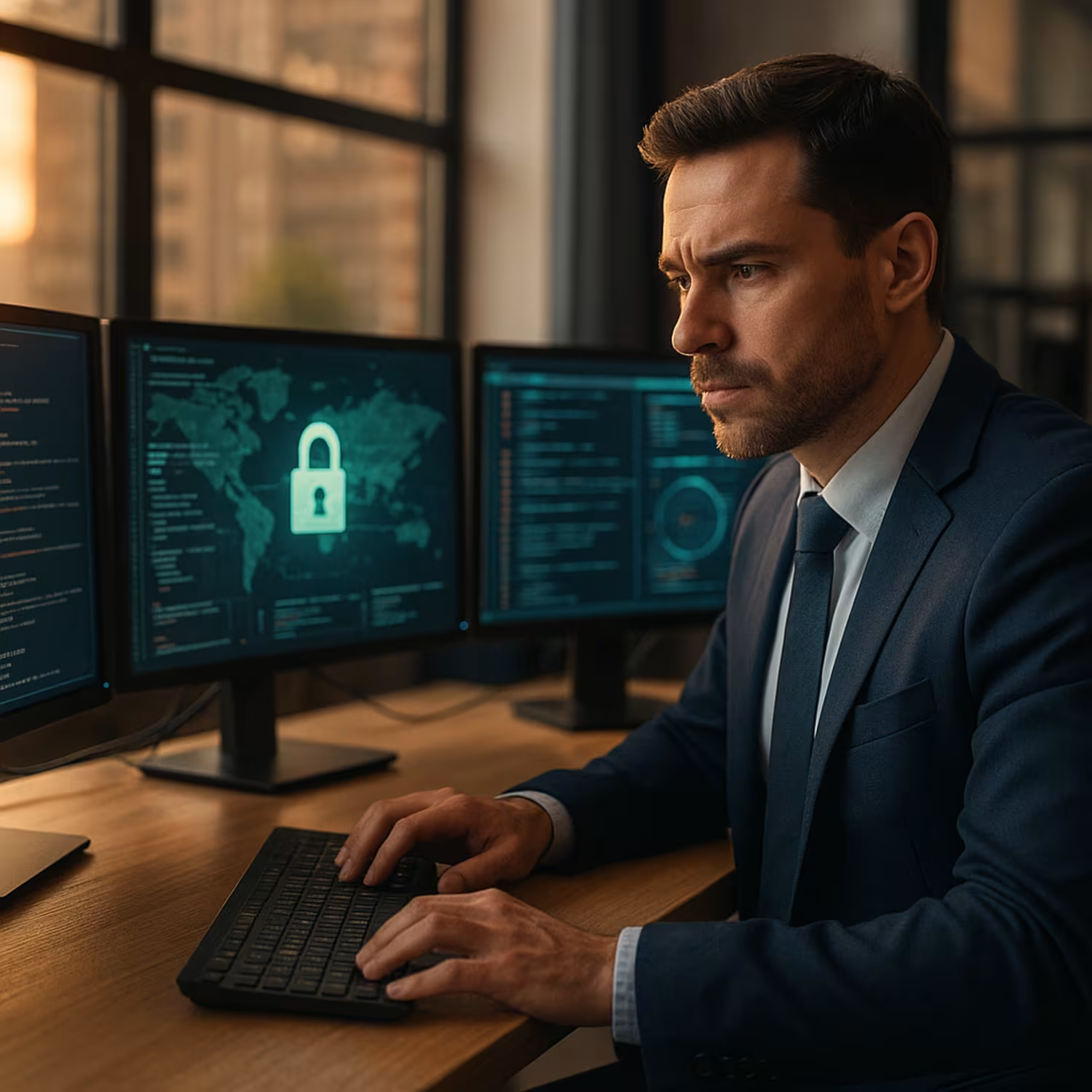
Working with a cybersecurity firm starts with a risk assessment. This helps identify your biggest vulnerabilities and prioritize actions. From there, the firm will recommend tools and services that match your needs.
It’s important to stay involved. Even with a firm managing your security, you should understand what’s being done and why. Regular check-ins, clear reporting, and user training all help make the partnership successful.
Follow these tips to get the most value from your cybersecurity partner:
A strong partnership can improve your security and reduce long-term risks.

Are you a business with 10–150 employees looking for reliable cybersecurity support? If you're growing fast, you need more than basic protection—you need a partner who understands your risks and compliance needs.
At Axxis Group Technologies, we help businesses secure their systems, meet cybersecurity compliance standards, and respond quickly to threats. Our team is ready to support your goals with practical solutions and expert guidance. Contact us today to learn how we can help.
CrowdStrike stands out for its cloud-native platform and focus on endpoint protection. It uses artificial intelligence to detect threats in real time and stop them before they spread. This makes it ideal for businesses that need fast, scalable protection.
In addition to endpoint detection, CrowdStrike offers threat intelligence and malware analysis. These tools help businesses understand where attacks come from and how to prevent them. It's a strong choice for companies looking to centralize their security tools.
Fortinet provides a wide range of security services, including firewalls, antivirus, and SIEM tools. These help businesses monitor their networks and meet compliance requirements like PCI-DSS or HIPAA.
Its integrated security solution makes it easier to manage policies and generate reports. Fortinet also supports endpoint protection and cloud security, making it a flexible option for growing businesses.
Cloud environments are now a major target for cyber threats. Top cybersecurity companies focus on cloud security to protect data stored in platforms like AWS and Microsoft Azure.
These companies use tools like threat intelligence, detection, and response systems to monitor cloud activity. They also help businesses configure settings to reduce the risk of a breach.
Palo Alto Networks is known for its advanced firewall and threat detection tools. It supports security operations by providing real-time visibility into network traffic and user behavior.
Its platform integrates with SIEM systems and uses analytics to detect unusual activity. This helps businesses respond to threats faster and improve their overall cybersecurity posture.
Zscaler offers a cloud-based security platform that protects users no matter where they are. It’s especially useful for companies with remote or hybrid teams.
By routing traffic through its secure network, Zscaler blocks malware and enforces security policies. It also supports cybersecurity compliance by logging user activity and providing detailed reports.
Okta is a modern identity and access management tool. Unlike traditional systems, it works in the cloud and supports single sign-on (SSO) and multi-factor authentication (MFA).
It helps businesses control who can access what data, reducing the risk of insider threats. Okta also integrates with other security services like antivirus and endpoint detection tools.
.jpeg)