

Discover how outsourced IT support can enhance your internal team's focus on strategic projects while managing routine tasks effectively.

October 23, 2026
Voice over IP (VoIP) solutions are changing how businesses handle communication. If you're still relying on a traditional phone system, you're likely missing out on cost savings, flexibility, and advanced features that modern VoIP systems offer. In this blog, you'll learn what makes VoIP a smart choice, how to avoid common mistakes, and what to look for in a service provider. We’ll also explain what is VoIP number and how it fits into your business communication strategy.
VoIP solutions use the internet to transmit voice calls instead of traditional phone lines. This shift allows businesses to reduce costs, improve call quality, and access features that aren't available with older systems. Whether you're running a call center or managing remote teams, VoIP gives you the tools to stay connected.
Unlike traditional systems, VoIP offers flexibility. You can make and receive calls from a desk phone, mobile app, or computer. Features like call recording, call routing, and video conferencing are built-in. These tools help improve customer experience and internal communication. For small businesses, VoIP is often easier to scale and manage than older phone systems.

Before switching to VoIP, it’s important to know what can go wrong. Here are key mistakes businesses often make—and how to avoid them.
VoIP relies on your internet connection. If your bandwidth is too low, call quality will suffer. Make sure your network can handle voice traffic alongside your other business needs.
Low-cost plans can be tempting, but they may lack critical features or support. Look for a balance between cost and value. The best VoIP options offer reliability, support, and features that match your business goals.
VoIP systems can be vulnerable if not properly secured. Choose a provider that offers encryption, secure login, and fraud detection. This protects your data and your customers.
Your VoIP system should work with your CRM, helpdesk, or other software. Make sure the provider supports integrations or APIs that match your current setup.
Always test the system before committing. A trial helps you understand the interface, call quality, and support responsiveness. It’s a simple step that can prevent long-term issues.
Even the best VoIP system won’t help if your team doesn’t know how to use it. Provide training on key features and best practices to get the most out of your investment.
Your business will change. Choose a VoIP provider that can scale with you, whether you’re adding users, locations, or new features.
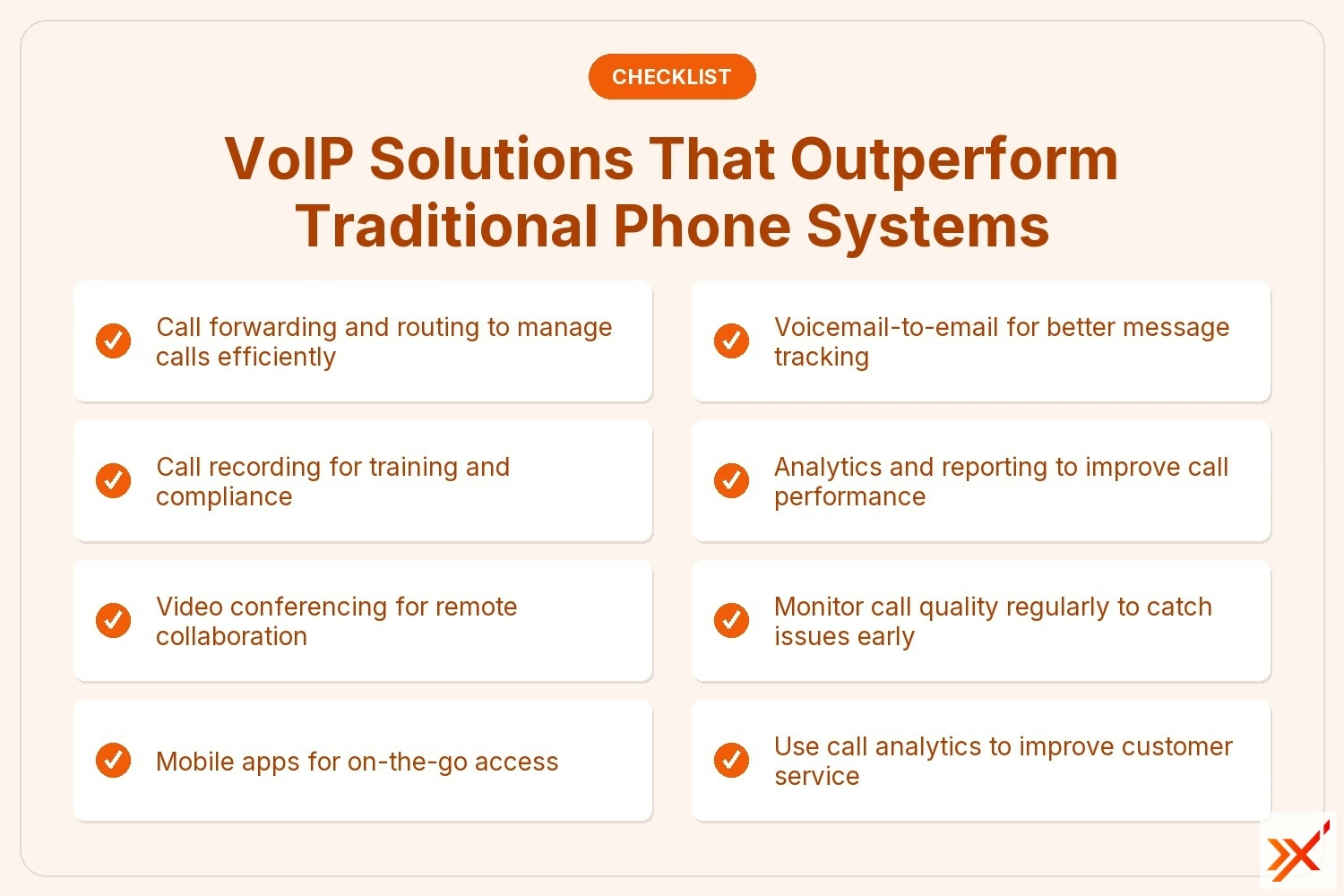
Today’s VoIP solutions come with powerful tools that support business growth.

Traditional phone systems are expensive to install and maintain. VoIP eliminates the need for physical lines and reduces monthly costs. It also gives you access to features that help your team work smarter.
For small businesses, the ability to scale up or down quickly is critical. VoIP lets you add or remove users without major changes. You also get better call management tools, like auto-attendants and call queues, which make your business sound more professional.
Not all VoIP providers are the same. Here’s what to consider when making your choice.
Look for a provider with a strong uptime guarantee. Downtime means missed calls and lost revenue. A reliable VoIP system should be available 99.99% of the time.
You’ll want support that’s easy to reach and responsive. Check if the provider offers 24/7 help via phone, chat, or email. Good support can save you time and stress.
Avoid hidden fees. Make sure the pricing includes all the features you need. Some providers charge extra for basics like voicemail or call recording.
Choose a provider that offers the features your team will actually use. These might include call analytics, integrations, or mobile access.
Ask about encryption, data storage, and compliance. A good provider will be open about how they protect your information.
Your VoIP system should work with your current software. Look for providers that support CRM, helpdesk, or calendar integrations.
Pick a provider that can grow with you. Whether you’re opening a new office or hiring remote staff, your VoIP system should scale easily.

Installing a VoIP system is usually fast and simple. Most providers offer cloud-based services, so there’s no need for complex hardware. You’ll need to set up user accounts, configure call flows, and connect your devices.
Make sure your internet connection is stable and fast enough for voice traffic. You may also want to segment voice traffic on your network to avoid interference. Your provider should guide you through the setup and offer training for your team.
Running a VoIP system well means more than just setting it up. Here are tips to keep things running smoothly.
A well-managed VoIP system can improve communication and reduce costs.
Are you a business with 10–150 employees looking to upgrade your phone system? If you're growing and need a reliable, flexible way to manage calls, VoIP could be the right fit. We help businesses like yours get the most from their communication tools.
At Axxis Group Technologies, we specialize in VoIP solutions that are tailored to your business needs. From setup to support, we guide you every step of the way. Reach out today to see how we can help you improve your business communication.
A VoIP number is a phone number assigned to a user that works over the internet instead of a traditional phone line. It lets you make and receive calls from any device connected to the internet, including a VoIP phone, computer, or mobile app.
VoIP numbers are flexible and portable. You can keep the same number even if you move offices or change service providers. This makes them ideal for small business operations and remote teams that need consistent communication tools.
A VoIP phone system uses your internet connection to handle calls, while traditional systems rely on physical phone lines. This difference allows VoIP to offer more features and lower costs.
With VoIP, you can access advanced features like call forwarding, call analytics, and video conferencing. It’s also easier to scale and manage, especially for growing businesses with changing needs.
Yes, VoIP service is reliable when paired with a strong internet connection. Many providers offer uptime guarantees and quality-of-service tools to ensure consistent performance.
To get the most out of your VoIP service, make sure your network is optimized for voice traffic. This includes using a dedicated business internet line and prioritizing voice data.
Look for features that support your daily operations. These may include call recording, call routing, voicemail-to-email, and integration with CRM tools.
Also consider mobile access, toll-free number options, and call management tools. These features help improve customer experience and internal communication.
Start by reviewing your business needs. Then compare providers based on uptime, support, pricing, and available features. Don’t forget to read customer reviews.
The best VoIP providers in 2025 will offer scalable plans, strong security, and easy integration with your existing software. Choose one that aligns with your goals.
Yes, VoIP is well-suited for call centers. It supports features like call queues, call analytics, and advanced call routing, which are essential for managing high volumes.
VoIP systems also allow agents to work remotely while maintaining access to the same tools. This flexibility is a major advantage over traditional phone setups.
.jpeg)