

Discover how outsourced IT support can enhance your internal team's focus on strategic projects while managing routine tasks effectively.

October 23, 2026
A reliable commercial data cabling setup is essential for smooth business operations. Whether you're expanding your office, upgrading your systems, or building from scratch, your cabling infrastructure plays a big role in how well your network performs. In this blog, you'll learn what commercial data cabling involves, common mistakes to avoid, how to choose the right installer, and best practices for long-term success. We'll also cover how data rack cable management fits into the bigger picture of network efficiency and safety.
Commercial data cabling refers to the physical wiring and systems that connect your computers, phones, servers, and other devices to your network. It’s more than just running cables—it’s about creating a structured cabling system that supports your current and future business needs.
A well-designed cabling system ensures fast data transmission, reduces downtime, and makes it easier to scale as your company grows. It also helps meet standards set by the Telecommunications Industry Association (TIA), which are important for safety and performance. Whether you're wiring a new commercial building or upgrading an older one, the right cabling connects your entire operation.
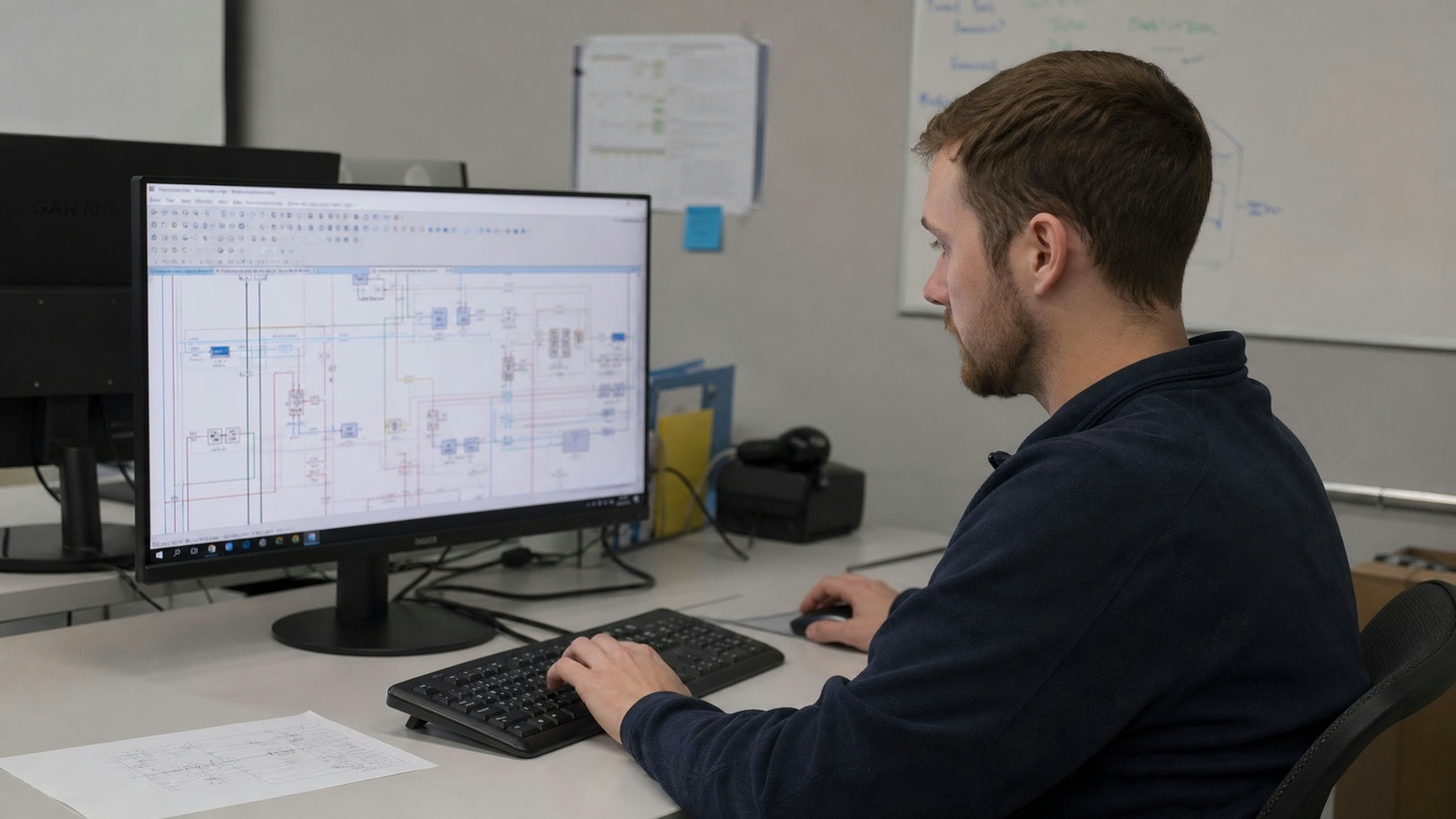
Even small errors in planning or installation can lead to big problems later. Here are the most common mistakes businesses make when setting up commercial data cabling—and how to avoid them.
Jumping straight into installation without a clear plan can lead to poor cable placement and future rework. Always start with a structured cabling design that considers your layout, device locations, and future growth.
Cheap cables may save money upfront, but they often fail under high usage. Investing in certified, high-grade cable ensures better performance and fewer replacements.
Without proper labeling, troubleshooting becomes a nightmare. Label each cable during installation to save time and reduce confusion later.
Messy racks can block airflow and make maintenance harder. Good data rack cable management keeps cables organized and improves cooling.
Failing to meet TIA or local building codes can result in fines or failed inspections. Work with professionals who understand cabling standards.
Your cabling should support more than just today’s needs. Plan for future bandwidth, devices, and technologies like VoIP or fiber optic.
Not all cabling companies are equal. Choose a certified installer with experience in commercial projects and structured cabling solutions.
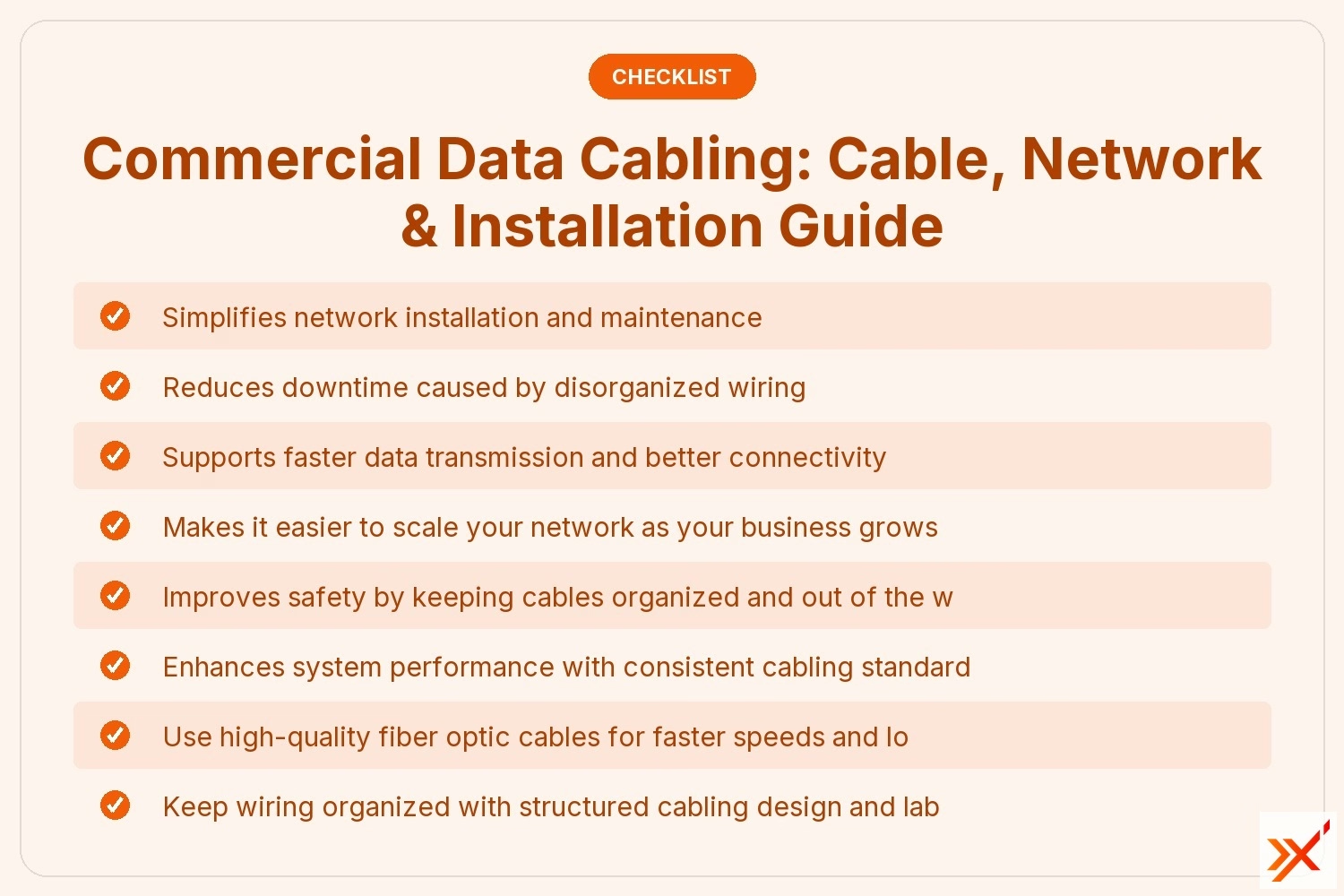
A structured cabling system offers several advantages for businesses of all sizes:
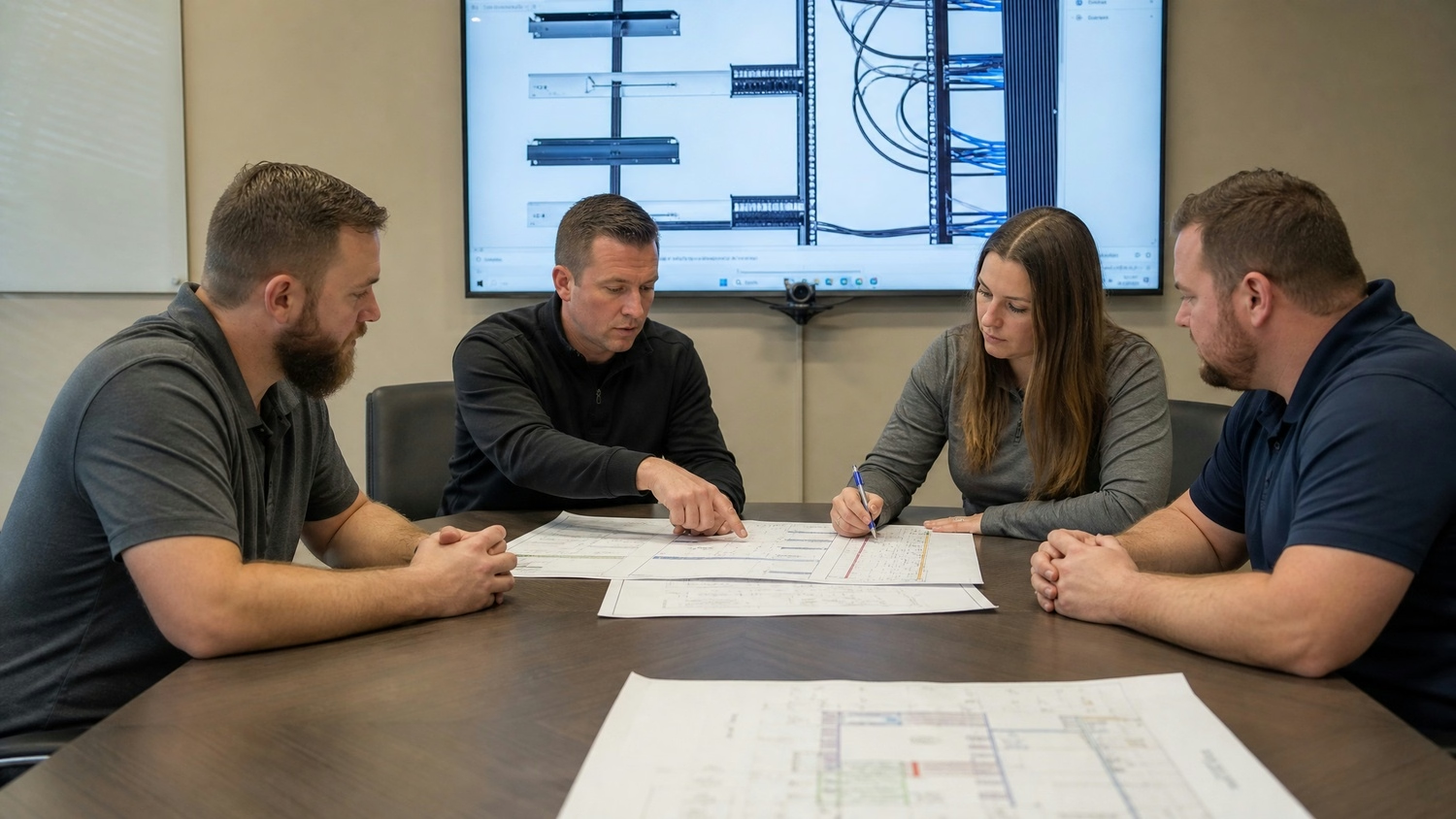
Data rack cable management is often overlooked, but it plays a key role in keeping your network efficient and safe. When cables are tangled or poorly routed, they can block airflow, overheat equipment, and make troubleshooting harder.
Proper cable management also helps with future upgrades. When cables are neatly labeled and routed, adding or replacing equipment becomes faster and less disruptive. It also reduces the risk of accidental disconnections that can impact business operations.
Choosing the right cabling partner can make or break your project. Here are the steps to help you make the best decision.
Not all installers are familiar with the unique needs of commercial spaces. Look for a team that has worked on similar projects and understands the layout challenges.
Structured cabling installation requires planning and precision. Make sure your provider follows industry best practices and uses quality materials.
A good provider should offer more than just installation. Look for services like maintenance, upgrades, and testing to support long-term performance.
Certified installers follow strict guidelines that ensure safety and performance. Ask about their training and certifications.
A clear, step-by-step process shows professionalism. Ask how they handle planning, execution, and post-installation support.
Working with a full-service provider means you get design, installation, and support in one place. This saves time and reduces miscommunication.
Don’t just go with the lowest price. Compare what’s included in each quote and choose the provider that offers the best value.

A strong cabling infrastructure supports your business now and in the future. That means choosing materials and layouts that can handle more devices, faster speeds, and new technologies as they emerge.
Think about your business operations—how many users you have, what applications you run, and how often you upgrade equipment. Then, work with your installer to create a cabling solution that fits those needs. Don’t forget to include patch panels and connectors that make changes easier down the line.
Follow these best practices to get the most out of your commercial data cabling setup:
A clean, well-planned cabling setup improves performance and reduces downtime.
Are you a business with 10 to 150 employees looking to upgrade or install a commercial data cabling system? If you're growing fast or setting up a new office, your network needs to keep up. That means having the right cabling infrastructure in place from the start.
At Axxis Group Technologies, we help businesses like yours design and install structured cabling systems that support long-term success. Our team handles everything from planning and cable installation to data rack cable management and ongoing support. Contact us today to get started.
Cable refers to the physical wires that connect devices, while structured cabling is a complete system that organizes those cables for better performance. Structured cabling includes planning, labeling, and layout design to support efficient data transmission.
Structured cabling systems are more scalable and easier to maintain. They also meet cabling standards that ensure safety and long-term reliability for business operations.
A well-designed cabling system reduces signal loss and interference, which improves network speed and reliability. It also minimizes downtime by making it easier to identify and fix issues.
Using the right cabling infrastructure helps your network handle more devices and higher data loads. This is especially important for data centers and growing businesses.
Structured cabling installation ensures that your network is organized, scalable, and compliant with industry standards. It also reduces the risk of errors during future upgrades.
Proper installation supports faster data transmission and better connectivity. It also makes it easier to manage patch panels, connectors, and other components.
Look for cabling companies with experience in commercial projects, certified installers, and a clear process for planning and execution. Ask for references and check their past work.
A reliable provider will also offer services like testing, maintenance, and upgrades. This ensures your cabling solution continues to meet your business needs.
If you're setting up a new office, expanding your space, or experiencing network issues, it's time to call a data cabling company. They can assess your current setup and recommend improvements.
A professional team will design a structured cabling system that fits your layout and supports future growth. This includes choosing the right fiber optic cables and connectors.
A cabling solution connects all your IT systems, from phones to servers, and keeps them running smoothly. It supports fast, reliable communication across your organization.
Good cabling connects your team, improves productivity, and supports technologies like VoIP and cloud services. It also ensures compliance with the Telecommunications Industry Association standards.
.jpeg)