

Discover how outsourced IT support can enhance your internal team's focus on strategic projects while managing routine tasks effectively.

October 23, 2026
Outsourcing your IT help desk can be a game-changer for businesses looking to improve customer support and streamline technical support. In this blog, you'll learn what IT helpdesk outsourcing is, why it matters, and how it compares to in-house support. We'll cover essential strategies, key benefits, best practices, and common challenges. You'll also get practical tips for implementation and answers to frequently asked questions about help desk outsourcing services, response times, and more.
IT helpdesk outsourcing means hiring an outside company to handle your help desk support instead of managing it with your own internal team. Many businesses choose this option to reduce costs, improve service delivery, and access specialized skills. Outsourcing can also help you keep up with digital transformation and offer multilingual support to customers.
When you outsource your help desk, you get access to a support team that can handle technical issues, troubleshooting, and password resets. This approach can improve customer satisfaction by providing faster response times and consistent service levels. Outsourced IT support is especially helpful for companies that want to focus on their core business while ensuring reliable desk operations.

Choosing to outsource your IT help desk can bring big benefits, but some common mistakes can cause problems. Here are the key issues to watch out for and how to avoid them.
If you don't set clear service levels with your outsourcing provider, you might face slow resolution time or missed expectations. Always agree on measurable service delivery standards before starting.
Time zone gaps can lead to delayed response times and frustrated users. Make sure your outsourced help desk services provider can offer support when your customers need it most.
If your customers speak different languages, your help desk team should too. Not offering multilingual support can lower customer satisfaction and limit your reach.
A disconnected ticketing system can slow down troubleshooting and make it hard to track technical issues. Ensure your help desk outsourcing services provider can work with your current desk solutions.
Technology changes fast. If your outsourced IT support isn't ready for digital transformation, you could fall behind. Choose a partner who stays current with new tools and best practices.
Waiting for problems to happen before fixing them isn't enough. Look for a proactive support team that can spot and solve issues before they affect your business.
Your internal team has valuable knowledge about your business. Don't leave them out—work together with your outsourcing partner for smooth desk operations.
Here are some of the main advantages businesses gain when they outsource their IT help desk:
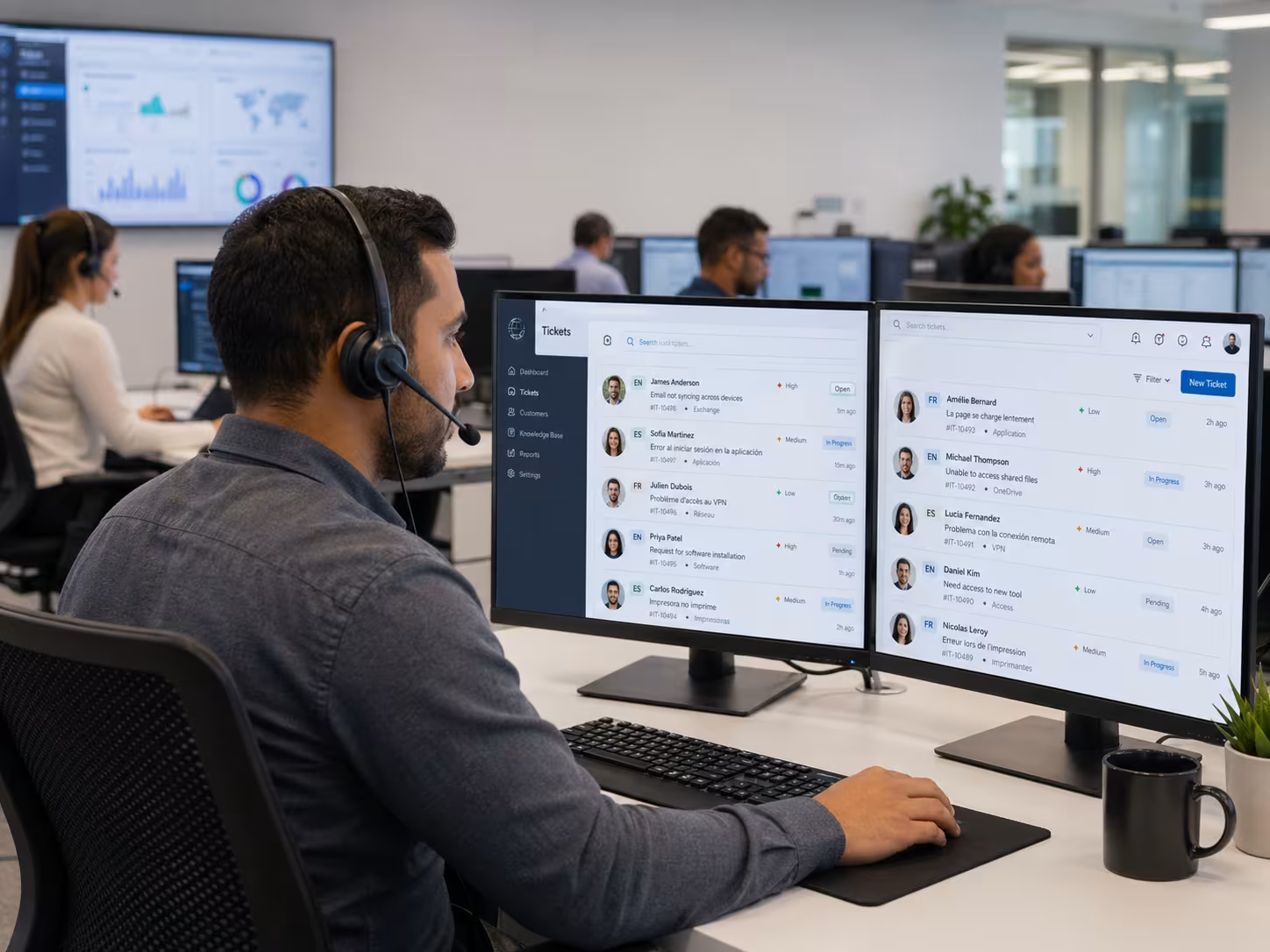
AI is making a big impact on outsourced IT help desk services. With AI-powered tools, support teams can automate ticketing systems, speed up password resets, and provide instant answers to common questions. This leads to shorter resolution times and better customer support.
AI also helps identify patterns in technical issues, so your support team can fix problems before they become bigger. By using AI, outsourcing companies can deliver more proactive and reliable support services, helping your business stay ahead of technical challenges.
If you want to get the most from outsourcing your IT help desk, follow these proven strategies. Each step helps ensure a smooth transition and strong results.
Look for outsourcing companies with experience in your industry and a track record of reliable service desk support. Check their references and ask about their approach to customer support.
Define your goals, service levels, and communication processes before you start. This helps your help desk outsourcing companies deliver the results you need.
Make sure your provider follows best practices for technical support, ticketing systems, and troubleshooting. This keeps your desk operations efficient and effective.
Protecting your data is critical. Confirm that your outsourced help desk services provider follows all relevant security rules and regulations.
Track key metrics like response times, resolution time, and customer satisfaction. Use this data to make improvements and hold your provider accountable.
Keep lines of communication open between your internal team and the outsourced service desk. Regular updates help prevent misunderstandings and improve service delivery.
As your business grows, your support needs may change. Choose a provider that can scale its services to match your future requirements.

Implementing IT helpdesk outsourcing takes careful planning. Start by assessing your current help desk support needs and identifying gaps in your in-house capabilities. Next, select a provider that offers virtual IT helpdesk support and can meet your business goals.
Work closely with your chosen provider to set up desk operations, integrate ticketing systems, and establish clear service levels. Provide training for both your internal team and the outsourced support team to ensure everyone understands their roles. Regularly review performance and adjust your approach as needed to maintain high customer satisfaction.
To get the best results from IT helpdesk outsourcing, follow these proven tips:
Following these best practices can help you avoid common pitfalls and make the most of your outsourced IT support.

Are you a business with 10-150 employees looking for a better way to manage your help desk support? If you're growing and need reliable, scalable support services, we can help you outsource your IT help desk with confidence.
At Axxis Group Technologies, we understand the challenges of keeping up with technical support and customer demands. Our team delivers best IT helpdesk solutions and virtual IT helpdesk support tailored to your needs. Contact us today to see how we can help your business thrive.
In-house help desk support means your own employees handle all technical issues and troubleshooting. Outsourced IT help desk services use an external support team to manage desk operations, often leading to faster response times and lower costs. Choosing between the two depends on your business size, needs, and budget.
Outsourcing can improve service delivery and customer satisfaction by providing access to a larger pool of technical support experts. It also allows your internal team to focus on other important tasks, while the outsourced team handles password resets, ticketing systems, and proactive support.
Start by looking for help desk outsourcing companies with experience in your industry and a strong reputation for customer support. Ask about their approach to service desk outsourcing, including their use of AI and best practices for technical support.
Make sure the provider can offer multilingual support, meet your service level requirements, and integrate with your existing desk solutions. It's also important to check their response times and ability to scale as your business grows.
Yes, AI can make a big difference in help desk services by automating routine tasks like password resets and ticketing system management. This leads to faster resolution time and more efficient troubleshooting.
AI tools can also help identify patterns in technical issues, allowing your support team to be more proactive. By using AI, you can improve customer satisfaction and reduce costs over time.
Outsourcing your IT help desk can help reduce costs, improve response times, and provide access to technical expertise. It also allows your internal team to focus on core business activities.
With outsourced IT support, you can offer 24/7 support services, multilingual support, and scalable desk solutions. This leads to better customer satisfaction and more reliable service delivery.
To maintain high service levels, set clear expectations with your provider and monitor key metrics like response times and resolution time. Regularly review performance and provide feedback to ensure continuous improvement.
Work closely with your support team and keep communication open between your internal team and the outsourced service desk. This helps prevent misunderstandings and ensures consistent, high-quality support.
Some common challenges include managing time zone differences, ensuring data security, and integrating ticketing systems. It's important to choose a provider that understands your specific needs and can address these issues.
By following best practices and working closely with your provider, you can overcome these challenges and make the most of your IT helpdesk outsourcing investment.
.jpeg)