.jpeg)
Learn how to fix IT problems fast. Discover solutions for common IT problems, IT issue today, and common IT issues. Get practical troubleshooting tips now.

August 28, 2026
Businesses are always looking for ways to improve efficiency and reduce costs. One proven way to do this is by using IT outsourcing services. In this blog, you’ll learn the benefits of IT outsourcing, how it can help your core business, and what to expect when working with a service provider. We’ll also cover the advantages and disadvantages of IT outsourcing, best practices, and how to choose the right outsourcing partner as your business grows.
IT outsourcing means hiring an external company to handle your technology needs instead of managing everything in-house. This approach can help you focus on your main business goals while experts manage your IT systems. Many companies choose to outsource because it offers flexibility, access to specialized expertise, and cost savings.
When you outsource IT services, you can avoid the challenges of maintaining an in-house IT team. This means fewer worries about hiring, training, and keeping up with fast-changing technology. Instead, you get reliable support from professionals who understand your business needs and can help you stay secure and productive.

If you’re considering IT outsourcing, it’s important to understand the main advantages. Here are seven key benefits that make outsourcing a smart choice for many organizations:
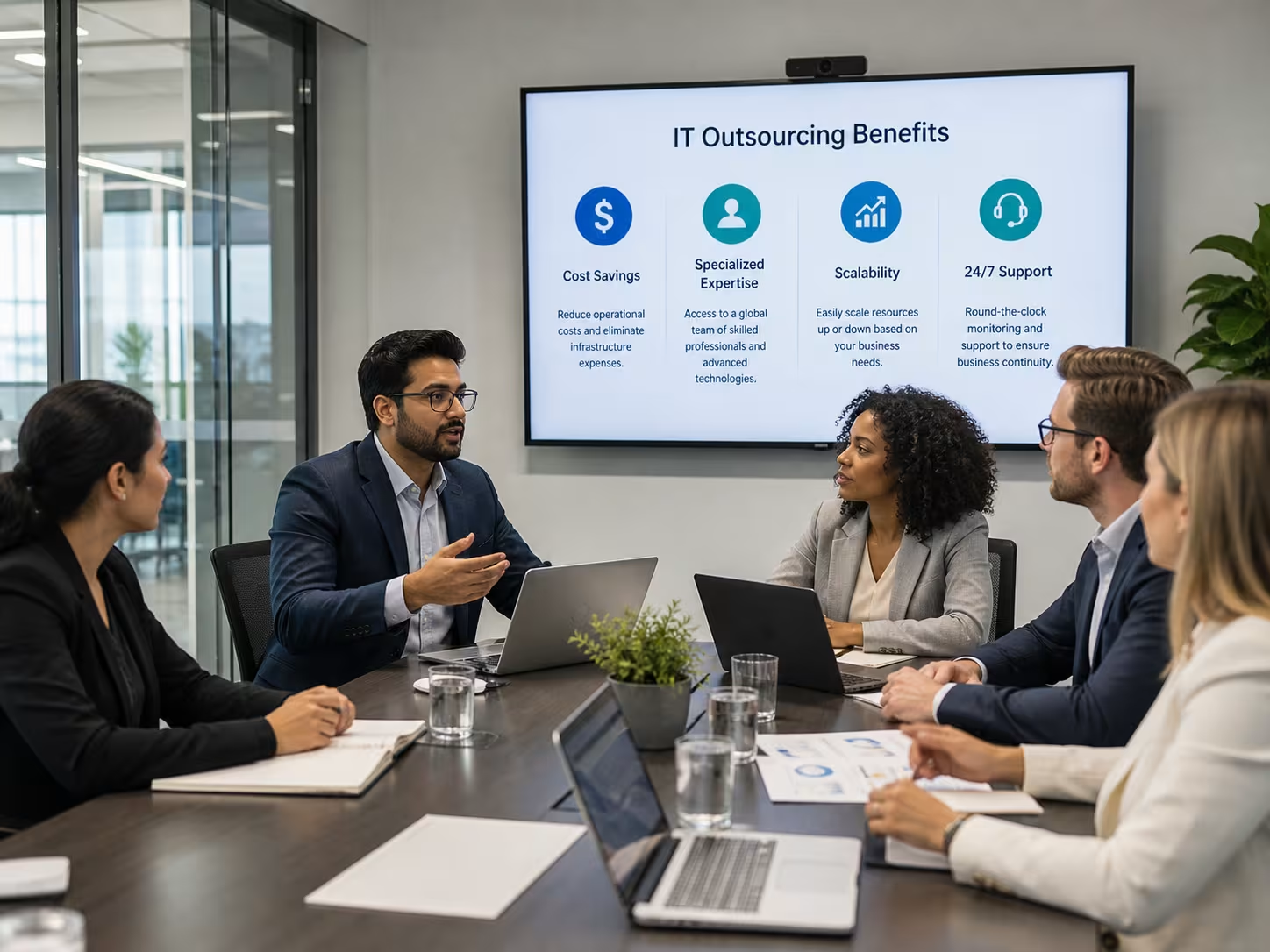
One of the biggest reasons companies outsource IT is to save money. You avoid the high costs of hiring full-time staff, buying equipment, and ongoing training. Instead, you pay only for the services you need, which helps you control your budget.
Outsourcing lets you scale your IT services up or down as your needs change. If your business grows quickly, your outsourcing partner can provide more support without the hassle of hiring new staff.
IT outsourcing gives you access to experts with up-to-date knowledge in areas like cybersecurity, cloud computing, and disaster recovery. This means your systems are managed by people who know how to keep your data safe and your operations running smoothly.
When you outsource IT, your internal teams can focus on what they do best—growing your business and serving customers. This leads to better productivity and allows you to use your resources more effectively.
A good outsourcing provider will help you manage risks like data breaches, system failures, and compliance issues. They use best practices to keep your sensitive data secure and ensure business continuity.
With managed services, you get ongoing IT support, monitoring, and maintenance. This helps prevent problems before they happen and gives you peace of mind knowing your systems are in good hands.
Outsourcing providers often include disaster recovery planning as part of their services. This means your business can recover quickly from unexpected events, minimizing downtime and loss.
Here are some important features to look for when choosing an IT outsourcing partner:

While the benefits of IT outsourcing are clear, it’s also important to consider the disadvantages. Outsourcing can sometimes lead to communication challenges, especially if your provider is in a different time zone. You may also have concerns about sharing sensitive data with external providers.
However, many of these risks can be managed by choosing a reputable service provider and setting clear expectations. Make sure your outsourcing partner understands your business operations and follows local regulations to protect your data. By weighing the advantages of IT outsourcing against the disadvantages of IT outsourcing, you can make an informed decision that supports your business goals.
There are several ways to outsource IT services. Here’s a look at the most common types and how they can fit different business needs:
Onshore outsourcing means hiring a company in your own country. This can make communication easier and ensure compliance with local laws.
Nearshore outsourcing involves working with providers in neighboring countries. This can offer cost savings while keeping time zones and cultural differences manageable.
Offshore outsourcing lets you work with providers in other parts of the world. This can be the most cost-effective option, but it may come with challenges like language barriers or different work hours.
Managed service providers offer continuous monitoring, updates, and support. This is a good choice if you want reliable systems without managing everything yourself.
If you have a one-time project, like a software upgrade or cybersecurity assessment, project-based outsourcing can be a flexible solution.
Staff augmentation lets you bring in IT specialists to work alongside your existing staff. This can help fill skill gaps or handle busy periods.
Some businesses use a mix of these models to get the right balance of cost, expertise, and control.
To get the most from IT outsourcing, it’s important to follow best practices. Start by clearly defining your business needs and goals. Choose a provider with a strong reputation and proven experience in your industry. Set clear expectations for communication, security, and performance.
Regularly review your outsourcing arrangement to make sure it continues to meet your needs as your business grows. Make sure your provider uses reliable systems and follows local regulations for data protection. By following these steps, you can build a strong partnership that supports your long-term success.
Here are some tips to help you succeed with IT outsourcing:
Following these best practices can help you avoid common pitfalls and get the most value from your outsourcing partnership.
How Axxis Group Technologies can help with the benefits of IT outsourcing
Are you a business with 10-150 employees looking to improve your IT operations? If you’re ready to let your internal teams focus on core business functions, we can help you find the right outsourcing solution. Our team understands the unique needs of growing businesses and offers flexible services to fit your goals.
We know that managing IT in-house can be challenging and costly. At Axxis Group Technologies, we provide reliable managed services, access to specialized expertise, and peace of mind. Contact us today to learn how we can help your business thrive with the benefits of IT outsourcing.
When choosing a service provider, focus on their experience, reputation, and ability to meet your business needs. Look for a provider that offers reliable support, understands your industry, and can scale services as your business grows. Make sure they follow best practices for cybersecurity and data protection.
A good provider will also help you reduce costs and improve productivity. Ask about their approach to risk management and how they handle sensitive data. This ensures your business operations stay secure and efficient.
Outsourcing IT services lets your internal team concentrate on core business activities instead of managing technology issues. This shift allows you to use your resources more effectively and boost overall productivity.
By working with an outsourcing provider, you can access specialized expertise without the hassle of maintaining an in-house IT staff. This means your team can focus on growth and customer service, while experts handle your IT needs.
The advantages of IT outsourcing include cost savings, scalability, and access to specialized skills. You can avoid the challenges of hiring and training an internal team, while still getting high-quality support.
With outsourcing services, you also benefit from disaster recovery planning and business continuity solutions. This helps protect your company from unexpected IT issues and keeps your operations running smoothly.
Some limitations of IT outsourcing include potential communication challenges and concerns about sharing sensitive data with external providers. It’s important to set clear expectations and choose a partner with strong security practices.
You should also consider how outsourcing may affect your internal teams. Make sure your provider supports your business needs and helps your internal teams to focus on what matters most.
There are several types of IT outsourcing, including onshore, nearshore, offshore, managed services, and project-based outsourcing. Each model offers different benefits depending on your goals and budget.
Hybrid models can also be effective, combining different outsourcing types to fit your unique requirements. This flexibility helps you adapt as your business grows and your technology needs change.
Managed service providers offer ongoing monitoring, maintenance, and support to keep your systems running smoothly. They use best practices to protect your sensitive data and ensure compliance with regulations.
By partnering with a managed service provider, you gain peace of mind knowing your IT risks are managed and your business continuity is protected. This allows you to focus on your core business functions and long-term growth.